Sites Prepared for Large-Scale Construction
Commercial Excavation in Dawsonville for retail development, industrial facilities, or multi-building projects requiring phased site preparation
Commercial projects fail when excavation schedules slip or subgrade compaction does not meet engineered specifications. Sites prepared by Grading & Clearing Services follow grading plans that coordinate storm water management, utility corridor placement, and building pad elevations across parcels measured in acres rather than square feet. The team handles excavation for projects ranging from single retail buildings to phased industrial parks where grading must accommodate future expansion without reworking completed areas.
Commercial excavation involves moving thousands of cubic yards of soil to create level pads, retention basins, and access roads that support delivery trucks and construction equipment for months. Operators balance cut-and-fill volumes to minimize soil export costs, install erosion control measures that meet county stormwater permits, and sequence work to keep portions of the site accessible while other areas remain under excavation.
Contact the company for commercial project planning including soil volume calculations, phasing schedules, and utility coordination.
What Commercial Site Preparation Actually Accomplishes
Site preparation for commercial development requires coordination with civil engineers, utility providers, and local inspectors who verify that grading matches approved plans before vertical construction begins. Excavation operators follow detailed cross-sections showing finished elevations, slope percentages for drainage, and trench locations for water, sewer, and electrical infrastructure. GPS-equipped machinery maintains grade tolerances measured in tenths of a foot across sites where even minor elevation errors cause drainage failures or parking lot ponding.
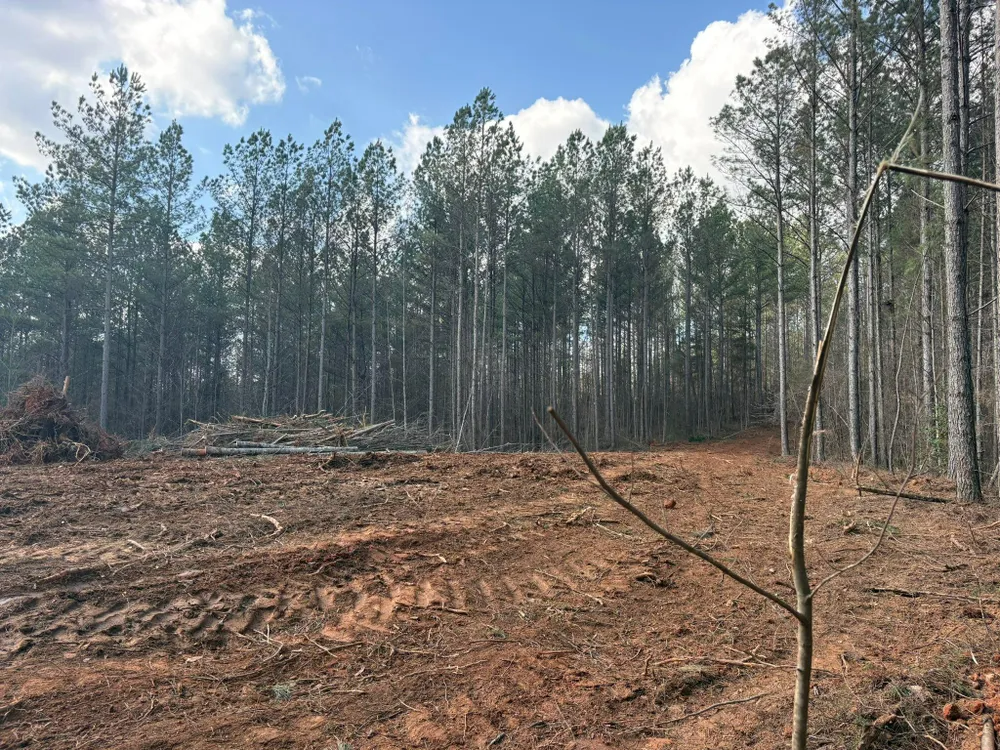
After site preparation completes, you see building pads compacted to specified density, stormwater basins shaped to calculated volumes, and access roads graded to support loaded concrete trucks without rutting. Utility trenches are backfilled and tested, and erosion control barriers remain functional through final landscaping. General contractors can mobilize without waiting for additional earthwork or drainage corrections that delay project timelines.
Commercial excavation includes density testing at intervals specified by geotechnical engineers, typically every 500 cubic yards of compacted fill. Some projects require proof rolling where loaded dump trucks drive across finished subgrade to identify soft spots before paving begins. Grading & Clearing Services coordinates with testing firms and adjusts compaction methods when soil moisture or clay content prevents achieving specified density with standard equipment.
What Property Owners Usually Ask
Developers and property owners in Dawsonville preparing commercial sites typically ask about project scheduling, regulatory compliance, and earthwork volumes before excavation mobilization.
How are soil volumes calculated for commercial grading projects?
Civil engineers produce cut-and-fill calculations based on existing topography surveys and proposed finish grades, determining how much soil must be moved, imported, or exported to achieve final elevations.
What permits are required before commercial excavation begins?
Land disturbance permits from Dawson County require approved erosion control plans, stormwater management designs, and proof of contractor bonding before any earthwork can commence on sites exceeding one acre.
How does phased construction affect excavation scheduling?
Phased projects require temporary stabilization of completed areas, access road maintenance between phases, and erosion control adjustments as work progresses to prevent sediment runoff from active excavation zones.
What equipment is used for large-scale commercial excavation?
Projects exceeding five acres typically require multiple excavators, articulated haul trucks for soil transport, bulldozers for rough grading, and motor graders for finish work on roads and parking areas.
How long does commercial site preparation typically take?
Timeline depends on soil volume, required compaction density, and utility installation complexity, with single-building retail sites often completing within four to six weeks and multi-phase developments extending over several months.
Grading & Clearing Services delivers dependable scheduling and efficient project completion for commercial excavation throughout north Georgia, working with engineers and contractors to meet construction timelines. Call (770) 789-4770 for commercial excavation estimates including earthwork quantities, equipment staging plans, and coordination with project schedules.